A herniated disc, also known as a slipped or ruptured disc, refers to a condition that affects the intervertebral discs in the spine. The spine is made up of a series of bones called vertebrae, and between each pair of vertebrae, there is a cushion-like structure called an intervertebral disc. These discs act as shock absorbers and provide flexibility to the spine.
A herniated disc occurs when the soft gel-like center (nucleus pulposus) of the disc protrudes through a crack or tear in the tough outer layer (annulus fibrosus) of the disc. This can happen due to age-related wear and tear, injury, or excessive strain on the spine.
The actual cause of a herniated disc is often multifactorial and can be influenced by various factors. Here are some common causes and contributing factors that can lead to a herniated disc –
These factors can contribute to the development of a herniated disc, not everyone with these risk factors will necessarily experience a herniation. Additionally, some people may develop herniated discs without any identifiable cause.
Preventing a herniated disc involves maintaining a healthy lifestyle, practicing proper lifting techniques, engaging in regular exercise to strengthen the back and core muscles, maintaining good posture, and avoiding excessive stress on the spine. If you experience symptoms suggestive of a herniated disc, it’s important to consult with a healthcare professional for an accurate diagnosis and appropriate treatment.
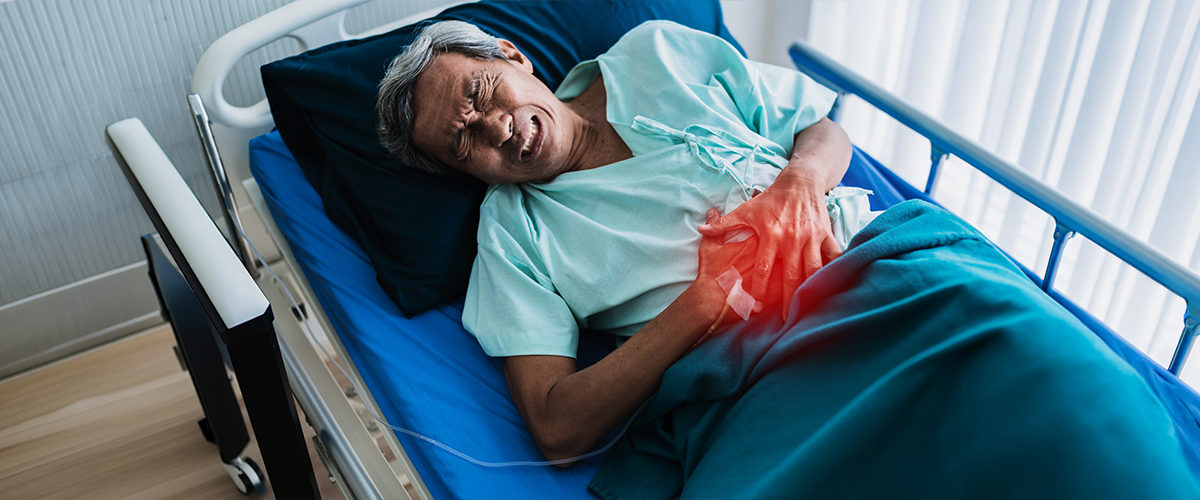
The symptoms of a herniated disc can vary depending on the location and severity of the herniation, as well as the affected nerves. Here are some common symptoms associated with a herniated disc –
Not all herniated discs cause symptoms, and some people may have a herniated disc without experiencing any pain or discomfort. The presence and severity of symptoms can vary widely among individuals.
If you are experiencing persistent or worsening symptoms that may be associated with a herniated disc, it’s advisable to consult with a healthcare professional for an accurate diagnosis and appropriate treatment options.
To diagnose a herniated disc, healthcare professionals may utilize a combination of clinical evaluations and diagnostic tests. Here are some common diagnostic tests that can help confirm the presence of a herniated disc and determine its location and severity –
CT scans provide cross-sectional images of the spine and can help identify bony abnormalities, such as fractures, bone spurs, or tumors. They may be particularly useful when a more detailed evaluation of the bones is required.
The combination of the medical history, physical examination, and imaging tests can help healthcare professionals make an accurate diagnosis of a herniated disc and guide appropriate treatment options.
It’s essential to consult with a healthcare professional who specializes in spine-related conditions for a comprehensive evaluation and to determine the most suitable diagnostic tests for your specific situation.
The treatment of a herniated disc depends on the severity of symptoms, the impact on daily life, and individual factors. The majority of herniated disc cases can be effectively managed with conservative (non-surgical) treatments. Here are some common treatment options –
The treatment approach for a herniated disc should be individualized based on the specific circumstances and symptoms of each person. It is necessary to consult with a healthcare professional, such as a spine specialist or orthopedic surgeon, to discuss the most appropriate treatment options for your condition.
The outlook for a herniated disc varies depending on factors such as the severity of the herniation, the effectiveness of treatment, and individual factors. Many individuals experience relief from symptoms and improvement in functionalities with conservative treatments. With proper management and adherence to healthy lifestyle habits, most people can lead active lives by managing symptoms effectively.
Stay active by following your healthcare provider’s recommendations to lose the stiffened muscles. A gentle movement of the body such as stretching coupled with an over-the-counter pain reliever can help in pain recovery. Prolonged sitting or lying in bed will in fact cause more stiffening of muscles leading to severe pain. It is recommended to consult with a healthcare professional to receive an accurate diagnosis by developing a tailored treatment plan for a herniated disc.

Dr. Vivek Loomba, an anesthesiologist in Delhi with 23+ years of experience, specializes in pain management and palliative care.