Osteoporosis is a condition characterized by low bone density and deterioration of bone tissue, leading to an increased risk of fractures. While osteoporosis commonly affects the hips, wrists, and spine, it can undoubtedly affect the back and neck as well.
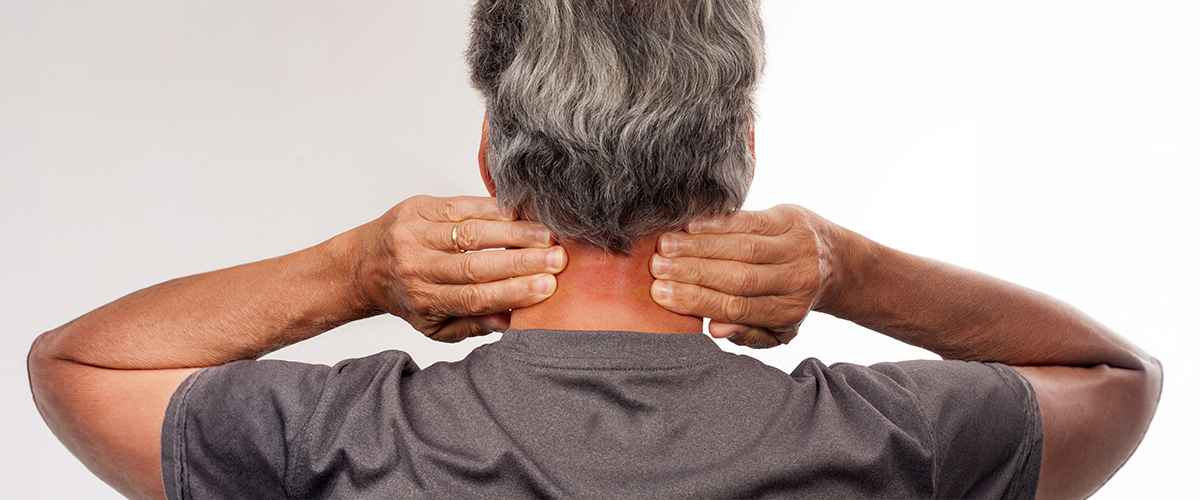
In the neck, osteoporosis can lead to fractures in the cervical vertebrae, which are the bones that make up the upper portion of the spine. These fractures can be caused by minimal trauma or even simple activities like coughing or sneezing. Neck fractures can be particularly concerning as they may lead to spinal cord compression and neurological symptoms if the fractured bone impinges on the spinal cord or nerves.
While anyone is at higher risk of developing osteoporosis, however, women are comparatively more prone to the disease. Eating a restrictive diet or having a family history of osteoporosis can also make you prone more likely.
The exact cause of osteoporosis is yet not determined. However, there are certain risk factors that can increase your likelihood of developing osteoporosis including –
Osteoporosis is often referred to as a “silent disease” because it typically does not cause symptoms in its early stages. However, as the condition progresses, especially when it affects the back and neck, certain symptoms may arise. These can include –
Not everyone with osteoporosis will experience symptoms. In some cases, the first indication of the condition may be a fracture or a loss of height. Regular bone density screenings and discussions with your healthcare provider can help identify osteoporosis and monitor its progression, even in the absence of symptoms.
If you’re experiencing back pain or notice any changes in height or posture, it’s advisable to consult with a healthcare professional for a proper evaluation. They can assess your symptoms, order appropriate tests like bone density scans, and recommend appropriate management strategies.
To diagnose osteoporosis in the back and neck, healthcare professionals may use various diagnostic tests and procedures. These tests help assess bone density, identify fractures, and determine the severity of the condition. Some common diagnostic tests for osteoporosis include –
The choice of diagnostic tests may vary depending on the individual’s specific symptoms, medical history, and the healthcare provider’s preference. Consulting with a healthcare professional is crucial for an accurate diagnosis and appropriate management of osteoporosis in the back and neck.
The treatment of osteoporosis in the back and neck aims to reduce the risk of fractures, alleviate pain, and improve bone density. Treatment approaches typically involve a combination of lifestyle modifications, medications, and supportive measures. It’s necessary to work with a healthcare professional who can tailor the treatment plan to your specific needs. Here are some common treatment options for osteoporosis –
Treatment plans for osteoporosis may vary depending on the severity of the condition, individual factors, and preferences. Regular follow-up appointments and bone density monitoring are typically recommended to evaluate treatment effectiveness and make any necessary adjustments.
Osteoporosis is a chronic condition that requires ongoing management and monitoring. It’s important to have regular follow-up appointments with a healthcare professional to assess treatment efficacy, adjust the treatment plan as needed, and address any concerns or changes in symptoms.
Adopting a healthy lifestyle is crucial for managing osteoporosis in the back and neck. This includes regular exercise, a balanced diet rich in calcium and vitamin D, avoiding smoking and excessive alcohol consumption, and taking precautions to prevent falls. These lifestyle modifications can help optimize bone health and contribute to better outcomes.
While osteoporosis cannot be completely cured, proper management can significantly reduce the risk of fractures and associated complications. By actively participating in treatment, following preventive measures, and adopting a healthy lifestyle, individuals with osteoporosis in the back and neck can improve their overall prognosis and maintain a good quality of life.

Dr. Vivek Loomba, an anesthesiologist in Delhi with 23+ years of experience, specializes in pain management and palliative care.