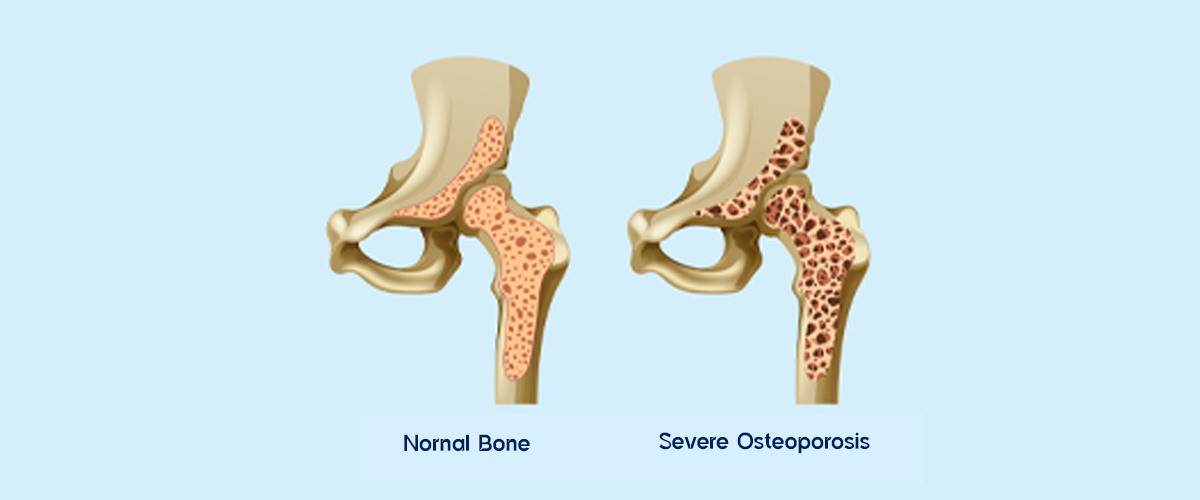
Osteoporosis is a medical condition characterized by a loss of bone mass and deterioration of bone tissue, leading to increased bone fragility and a higher risk of fractures. The word “osteoporosis” comes from the Greek words “osteo,” meaning bone, and “poros,” meaning porous.
In a healthy individual, bones are constantly being broken down and rebuilt in a process called remodeling. However, in osteoporosis, the balance between bone resorption (breakdown) and bone formation is disrupted, resulting in a net loss of bone density over time.
Osteoporosis is often called a “silent disease” because it usually progresses without symptoms until a fracture occurs. Fractures associated with osteoporosis typically occur in the hip, spine, wrist, or other bones. Even a minor fall or a simple movement can cause a fracture in someone with weakened bones.
Osteoporosis can affect both men and women, but it is more common in women, particularly postmenopausal women. Women have a higher risk of developing osteoporosis because they tend to have lower bone density than men and experience a rapid decline in bone mass after menopause due to decreased estrogen levels.
There are certain risk factors that can increase the chances of developing osteoporosis with two of the most common being gender and age. Also, other risk factors included are-
Osteoporosis is often caused by a combination of these factors, and different individuals may have varying risk profiles. A comprehensive assessment by a healthcare professional can help determine the underlying causes and provide appropriate management strategies for osteoporosis.
Osteoporosis typically progresses without symptoms until a fracture occurs. However, some individuals with osteoporosis may experience certain signs and symptoms. These can include –
Not everyone with osteoporosis experiences symptoms, especially in the early stages of the condition. Therefore, osteoporosis is often diagnosed through bone density testing or after a fracture has occurred.
If you have concerns about osteoporosis or if you are experiencing any symptoms, it is recommended to consult with a healthcare professional. They can evaluate your risk factors, perform necessary tests, and provide appropriate guidance and treatment options.
To diagnose osteoporosis and assess bone health, healthcare professionals use various diagnostic tests. These tests help evaluate bone density and determine the risk of fractures. The commonly used diagnostic tests for osteoporosis include –
It is necessary to consult with a healthcare professional who can evaluate your specific situation, discuss your risk factors, and determine which diagnostic tests are most appropriate for you. These tests will aid in the diagnosis, assessment, and monitoring of osteoporosis, allowing for appropriate management and treatment decisions.
The treatment of osteoporosis aims to prevent further bone loss, reduce the risk of fractures, and promote bone strength and density. The specific treatment approach may vary depending on factors such as the severity of osteoporosis, individual risk factors, and overall health. Here are some common treatment strategies for osteoporosis –
It’s crucial to work closely with a healthcare professional who specializes in osteoporosis to develop an individualized treatment plan based on your specific needs and circumstances. They can evaluate your bone health, assess fracture risk, and guide you in making informed decisions about treatment options.
Prevention strategies for osteoporosis focus on maintaining good bone health throughout life. While it’s not always possible to completely prevent osteoporosis, adopting the following lifestyle measures can help reduce the risk of developing the condition –
Remember, prevention strategies should be implemented throughout life to optimize bone health. It’s always a good idea to consult with a healthcare professional to assess your individual risk factors and develop a personalized prevention plan based on your specific needs.
If you are living with osteoporosis, there are several things you can do to manage your condition and maintain your bone health –
It is necessary to work closely with your healthcare team, including your doctor, to develop an individualized plan for managing osteoporosis. They can provide personalized guidance, monitor your condition, and adjust your treatment plan as needed.

Dr. Vivek Loomba, an anesthesiologist in Delhi with 23+ years of experience, specializes in pain management and palliative care.